
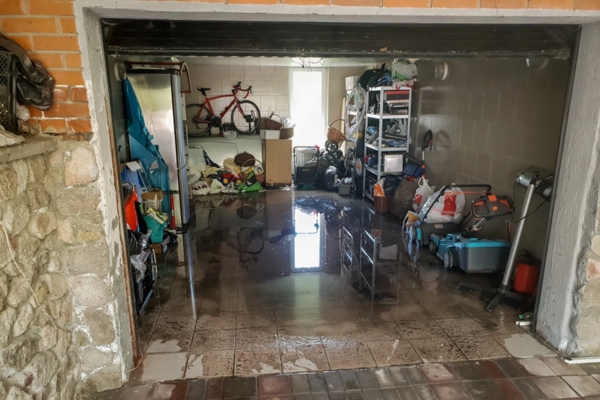
Heavy rain falls overnight. By morning, you head to the basement and notice damp floors, rising moisture, and the smell of standing water. Without proper protection, flooding can happen quickly.
At Robinson Plumbing, we help homeowners protect their basements, foundations, and plumbing systems from water damage through professional Lehigh Valley, PA sump pump installation, tune-up, and repair services.
This article explains how sump pumps work, why they matter for preventing water damage, and how to keep them operating reliably year-round.
Basement Water Problems Solved: From sump pump installation to repairs, Robinson Plumbing is ready to help. Call today!
Understanding a Sump Pump’s Role in Your Lehigh Valley, PA Home
Contents
- 1 Understanding a Sump Pump’s Role in Your Lehigh Valley, PA Home
- 2 What Is a Sump Pump and How Does It Work?
- 3 Types of Water Sump Pumps Homeowners Should Know
- 4 Why Sump Pumps Matter for Home Protection
- 5 Signs Your Lehigh Valley, PA Sump Pump Needs Service or Replacement
- 6 How to Maintain Your Sump Pump for Reliable Performance
- 7 FAQs: Lehigh Valley, PA Sump Pump Installation
- 8 Conclusion
- 9 Call Robinson Plumbing for Reliable Plumbing Services

A sump pump plays a critical role in managing excess groundwater and protecting your home from water intrusion. Without a reliable system in place, moisture can quickly build up around your foundation and lead to costly damage.
Plumbing Service You Can Rely On: Inspections, repairs, and replacements handled by Robinson Plumbing. Reach out now!
What Is a Sump Pump and How Does It Work?
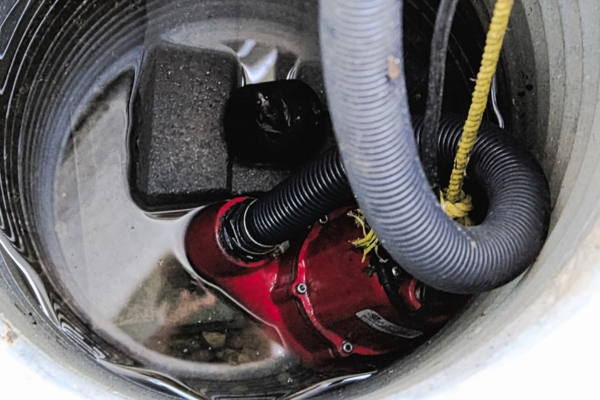
A sump pump works by removing excess groundwater before it has a chance to enter a basement or crawl space. Moving water away from the home’s foundation helps limit moisture buildup and reduces the risk of structural damage. Groundwater naturally flows into a sump pit as it gathers around the property.
A float switch activates the pump when the water reaches a set level. The pump moves water through a discharge line and away from the home. Sump pumps are usually installed at the lowest point of a crawl space or basement, where groundwater naturally accumulates and poses the greatest risk of intrusion.
Sump Pump Issues Need Fast Action: Count on Robinson Plumbing for prompt, dependable service. Reach out today!
Types of Water Sump Pumps Homeowners Should Know
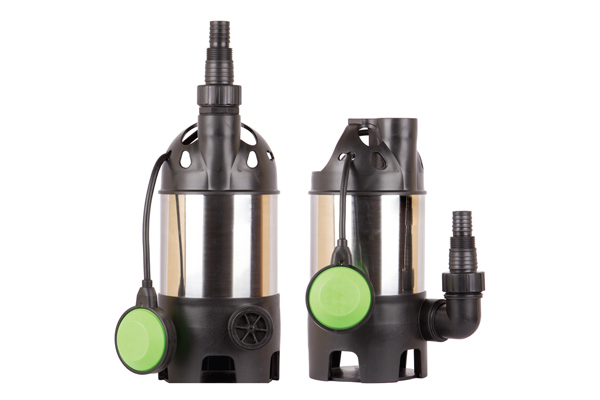
Understanding the different types of sump pumps helps homeowners choose the right system for their basement and water conditions.
- Submersible Sump Pumps: These pumps are installed inside the sump pit and sealed against moisture. They operate quietly, provide efficient performance, and help save floor space.
- Pedestal Sump Pumps: These systems feature a motor mounted above the pit. They are easier to access for service and are often more affordable, though they may produce more noise during operation.
- Battery Backup and Water-Powered Pumps: These backup systems provide continued protection during power outages. They ensure water removal continues during heavy storms when electricity may fail.
Protect Your Basement With Confidence: Robinson Plumbing delivers dependable sump pump solutions and more. Contact us today!
Why Sump Pumps Matter for Home Protection

Sump pumps are critical in safeguarding homes from water damage by controlling excess groundwater and preventing basement flooding caused by heavy rain, snowmelt, or rising water tables. By removing water before it accumulates, a properly functioning sump pump helps reduce pressure on foundation walls and floors, which limits long-term structural stress, cracking, and shifting.
Keeping basements dry also reduces moisture levels that contribute to mold and mildew growth, helping protect indoor air quality throughout the home. In addition, consistent water management safeguards finished basements, furniture, appliances, and stored belongings, preserving both property value and homeowner peace of mind.
Home Protection Made Simple: From inspections to new installations, Robinson Plumbing handles it all. Call now!
Signs Your Lehigh Valley, PA Sump Pump Needs Service or Replacement
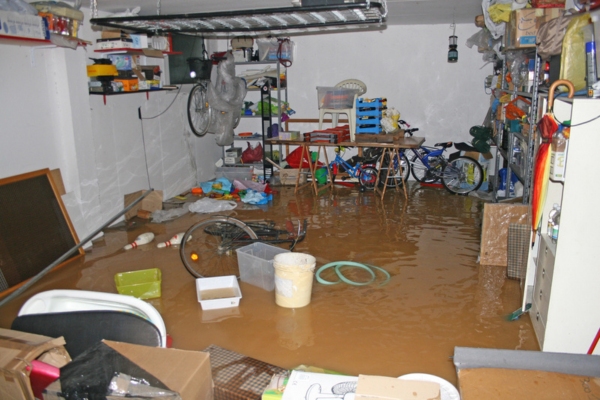
Recognizing early warning signs can assist in preventing unexpected basement flooding and system failure.
- Frequent Cycling or Constant Running: A sump pump that runs nonstop may be undersized or unable to keep up with the volume of incoming water.
- Unusual Noises or Vibrations: Grinding, rattling, or loud humming sounds often indicate motor problems, loose components, or internal wear.
- Visible Rust, Corrosion, or Debris Buildup: Sediment accumulation and corrosion can reduce efficiency and shorten the overall lifespan of the pump.
- Failure During Heavy Rain: Water backup or pooling around the sump pit during storms signals that immediate professional inspection or replacement is needed.
Water Where It Doesn’t Belong? Call Robinson Plumbing for fast, professional sump pump services and more. Get help now!
How to Maintain Your Sump Pump for Reliable Performance
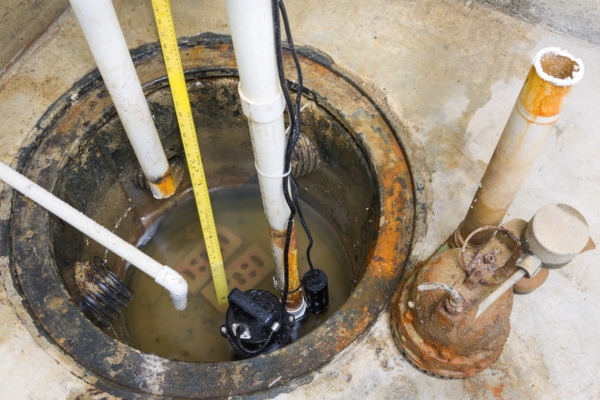
Regular sump pump maintenance helps ensure dependable operation and reduces the risk of failure during heavy rain. Homeowners should test the pump periodically by pouring water into the pit to confirm the float activates and the system discharges water properly.
Keeping the sump pit clean is also important, since debris can clog the pump or interfere with the float switch. The discharge line should be inspected to verify that it directs water safely away from the foundation and remains free of ice, dirt, or blockages. Scheduling professional inspections adds an extra layer of protection by identifying wear, performance issues, or installation concerns before peak storm seasons arrive.
Your Local Plumbing Specialists: Maintenance, upgrades, and emergency support from Robinson Plumbing. Call today!
FAQs: Lehigh Valley, PA Sump Pump Installation

How Do I Know What Size Sump Pump My Home Needs?
Sump pump sizing depends on several factors, including basement square footage, the depth of the water table, soil drainage, and the amount of water that enters the pit during heavy rain. Pumps are typically rated by horsepower and gallons per hour. An undersized pump may run constantly and still fall behind, while an oversized unit can short-cycle and wear out faster. A professional evaluation ensures the pump matches your home’s actual water load.
Where Should the Discharge Water Be Released Outside the Home?
Discharge water should exit the home far enough away from the foundation to prevent it from flowing back toward the sump pit. Most systems direct water at least 10 to 20 feet from the home toward a sloped yard, a storm drain, or an approved drainage system. Local codes may restrict where discharge is allowed, making proper routing a vital part of installation.
Can a Sump Pump Increase Home Value or Buyer Appeal?
A properly installed sump pump can improve buyer confidence by demonstrating active water management and basement protection. Homes with dry basements, especially in wet or flood-prone areas, often appear better maintained and less risky to prospective buyers. Disclosure of a reliable sump pump system can support resale value and ease inspection concerns.
Stop Basement Flooding Before It Starts: Trust Robinson Plumbing for expert sump pump care and plumbing services. Reach out now!
Should a Sump Pump Be Connected to a Dedicated Electrical Circuit?
Yes. A dedicated circuit reduces the chance of tripped breakers caused by other household appliances. Many homeowners also install a GFCI outlet and alarm system to alert them if the pump loses power. A proper electrical setup helps ensure consistent operation during storms when the pump is needed most.
Are Sump Pumps Required by Code in Some Homes?
Building codes vary by location, but sump pumps are often required in new construction where basements sit below the water table or where perimeter drainage systems are installed. Some municipalities also require sealed lids, check valves, or specific discharge methods. A licensed contractor can verify local requirements and ensure compliance.
Conclusion
Sump pumps play a critical role in protecting homes from water damage, foundation stress, and ongoing moisture problems. Understanding how these systems work, maintaining them properly, and addressing issues early helps safeguard your basement and preserve the overall integrity of your home.
If you require a sump pump installation, repair, or maintenance, contact Robinson Plumbing today. Our experienced team delivers dependable solutions that keep your home dry, protected, and prepared for heavy rain and changing groundwater conditions.
When Heavy Rain Hits, Be Ready: Robinson Plumbing provides reliable sump pump repairs and replacements. Contact us today!
Call Robinson Plumbing for Reliable Plumbing Services
When you need professional plumbing care in Lehigh Valley, PA, Robinson Plumbing delivers dependable solutions you can trust. Our team handles a wide range of plumbing needs, including pipe repairs, toilet servicing, sump pump installation, water heater replacement, leak detection, and more.
We focus on practical solutions that align with your needs and budget, with same-day emergency service available to address urgent plumbing problems quickly. Homeowners across Lehigh Valley, PA, rely on Robinson Plumbing for consistent quality, skilled workmanship, and responsive support from certified plumbers who take pride in their work.
Schedule your service with Robinson Plumbing today and experience plumbing care done right. Dealing with a plumbing issue? Call now and let our experts get to work.
Call us today at (610) 351-9889 or contact us for any questions that you might have! Click the link to view our service area.
Related Articles: