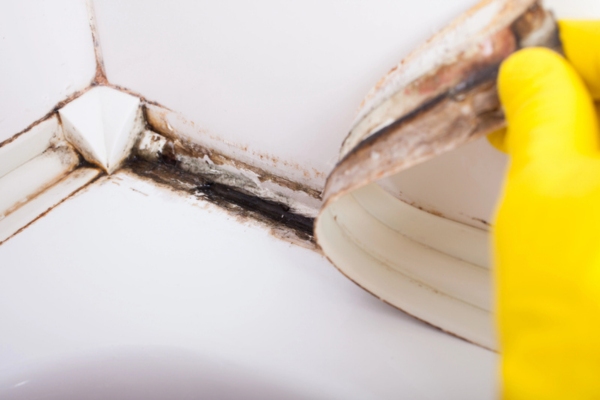
Plumbing and mold prevention are closely connected, especially when hidden leaks create the ideal environment for mold to grow. You notice a musty odor in your bathroom or basement, but no visible mold in sight. The problem may be concealed behind the walls inside your plumbing system.
Robinson Plumbing, a local plumbing company in Lehigh Valley, has helped countless homeowners uncover and eliminate hidden mold caused by plumbing issues, protecting our clients’ homes and health.
This article explains how plumbing problems contribute to mold growth, how to recognize early warning signs, and the most effective ways to prevent future infestations.
Reliable Plumbing Services You Can Trust: Keep your home running smoothly with expert help from Robinson Plumbing. Reach out to us today!
How Plumbing Problems Can Lead to Hidden Mold Growth
Contents
- 1 How Plumbing Problems Can Lead to Hidden Mold Growth
- 2 How Plumbing Leaks Create the Perfect Environment for Mold
- 3 Common Plumbing Issues That Lead to Mold
- 4 Signs of Mold Caused by Plumbing Problems
- 5 How to Prevent Plumbing-Related Mold Growth
- 6 FAQs About Plumbing and Mold Prevention
- 6.1 How Quickly Does Mold Grow After a Plumbing Leak?
- 6.2 Can Mold Come Back After Fixing a Plumbing Leak?
- 6.3 Which Areas of the Home Are Most at Risk for Plumbing-Related Mold?
- 6.4 What Types of Mold Typically Grow from Plumbing Leaks?
- 6.5 How Often Should Plumbing Systems Be Inspected to Prevent Mold?
- 7 Conclusion
- 8 Contact Robinson Plumbing for Reliable Plumbing Services
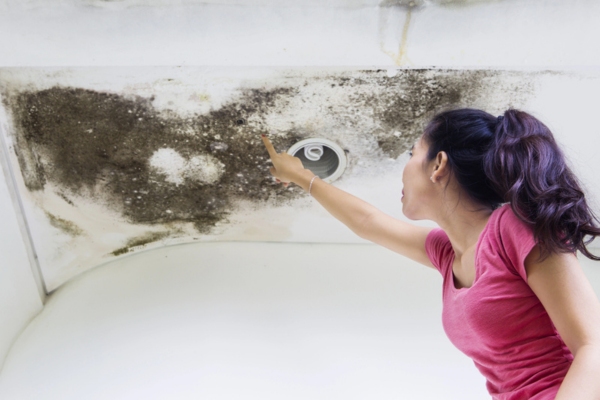
Even minor plumbing issues can create the perfect environment for mold to develop, often long before any visible signs appear. Understanding how leaks and moisture buildup contribute to hidden mold growth is essential to protecting your home’s safety, structure, and indoor air quality.
Protect Your Home from Hidden Leaks: Schedule a professional plumbing inspection with Robinson Plumbing and stop problems before they start. Call us today!
How Plumbing Leaks Create the Perfect Environment for Mold
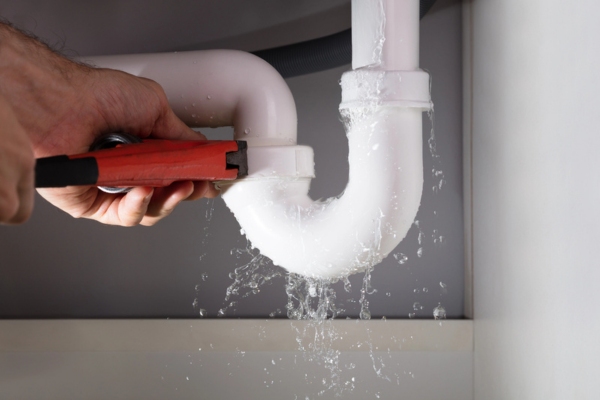
Mold requires three primary ingredients to grow: moisture, warmth, and a food source, such as drywall, wood, or insulation. Plumbing systems provide all three when leaks occur. Damp, dark areas behind walls, beneath floors, and under sinks are particularly vulnerable because airflow is limited and drying is slow.
Even a small drip from a pipe joint or faucet can keep surrounding materials damp enough for mold spores to take hold and multiply, often spreading far beyond the original leak before any visible signs appear.
Hidden plumbing issues are just as concerning. Condensation forming on uninsulated cold-water pipes can keep surfaces constantly moist, while cracked or clogged drain lines beneath tubs, sinks, and showers may leak slowly for months.
In older plumbing systems, corroded fittings and worn seals often worsen the problem by allowing a continuous trickle of water into enclosed areas. Without timely repairs and proper ventilation, these conditions create a persistent moisture problem that fuels mold growth and leads to structural and indoor air quality issues.
Restore Comfort and Confidence in Your Plumbing: Count on Robinson Plumbing for fast, dependable repairs done right the first time. Call now!
Common Plumbing Issues That Lead to Mold
Several plumbing problems can create ideal conditions for mold growth, especially when moisture goes unnoticed for long periods. Here are some of the most common causes:
- Leaky Faucets and Fixtures: Even a slow drip can release enough moisture to dampen surrounding surfaces over time. Continuous exposure allows mold to form in cabinets, under sinks, and around fixture bases.
- Damaged or Aged Pipes: Corrosion and wear can cause small cracks or pinhole leaks inside walls, ceilings, or crawl spaces. These hidden leaks often remain unnoticed until mold growth becomes extensive.
- Poorly Sealed Connections: Improperly installed joints or fittings can leak each time the water runs, slowly soaking drywall, wood framing, and insulation, which provide perfect material for mold to feed on.
- Faulty Water Heaters or Washing Machines: Appliances connected to plumbing lines may leak around valves, hoses, or seals. Because these areas are often out of sight, dampness can linger and promote mold growth behind or beneath the units.
Keep Mold and Moisture Under Control: Let Robinson Plumbing identify and fix leaks that threaten your home’s air quality and structure. Call us today!
Signs of Mold Caused by Plumbing Problems
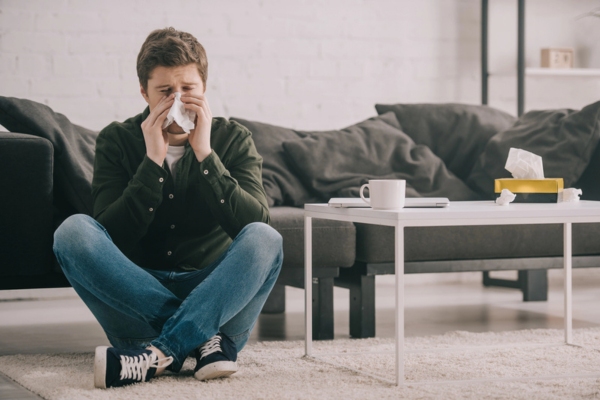
Recognizing the early warning signs of plumbing-related mold can help prevent severe damage and costly remediation. Watch for these common indicators:
- Unexplained Musty Odors: A persistent musty or earthy smell, especially in bathrooms, kitchens, or basements, often points to hidden mold growing behind walls, under floors, or around plumbing fixtures.
- Discoloration or Peeling Paint: Bubbling, yellowing, or peeling paint and wallpaper can signal moisture trapped inside walls from a leaky pipe or condensation buildup.
- Increased Allergy Symptoms: Worsening allergy-like reactions, such as coughing, sneezing, watery eyes, or congestion, when indoors, can indicate that mold spores are circulating due to hidden plumbing leaks.
- Spikes in Water Bills: A sudden or unexplained increase in your water bill may indicate a steady leak, wasting water, and creating a moist environment where mold can thrive undetected.
Comprehensive Plumbing Care for Every Home: From drain cleaning to leak detection, Robinson Plumbing has you covered. Contact us today!
How to Prevent Plumbing-Related Mold Growth
Preventing mold begins with proactive plumbing care and moisture control. By taking a few key steps, you can significantly reduce the risk of mold developing behind walls, under floors, or around fixtures.
Schedule Regular Inspections

Have a licensed plumber inspect your system at least once a year to check for corrosion, loose fittings, and minor leaks that may go unnoticed. Routine inspections help identify early warning signs before they turn into costly water damage or mold problems.
Insulate Pipes
Proper pipe insulation helps prevent condensation on cold-water lines, especially in basements, crawl spaces, and attics. This reduces the risk of surface moisture and keeps the surrounding areas dry even during temperature fluctuations.
Experience Total Peace of Mind: Choose Robinson Plumbing for proven plumbing solutions that keep your water systems safe and efficient. Reach out now!
Maintain Proper Ventilation
Good airflow is crucial for preventing mold. Use exhaust fans in bathrooms, kitchens, and laundry areas to remove excess humidity. Consider installing ventilation upgrades or dehumidifiers in areas with high moisture levels to maintain a balanced indoor environment.
Fix Leaks Immediately
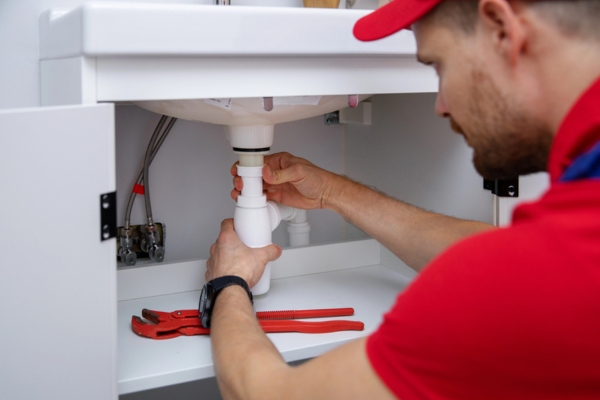
Address leaks as soon as they appear, no matter how small they seem. A steady drip or a loose fitting can release enough moisture to support mold growth within days. Prompt repairs prevent both structural damage and future health risks.
Monitor Humidity Levels
Maintain your home’s humidity below 50% by using dehumidifiers, air conditioners, or improving airflow. Regularly monitor indoor humidity with a hygrometer to ensure conditions remain unfavorable for mold growth.
Professional Plumbing Solutions Made Simple: Rely on Robinson Plumbing for honest advice, quality workmanship, and lasting results. Contact us today!
FAQs About Plumbing and Mold Prevention
How Quickly Does Mold Grow After a Plumbing Leak?
Mold can start forming within 24 to 48 hours after a plumbing leak, especially in warm, damp, or poorly ventilated areas. Once moisture seeps into porous materials, such as drywall, wood, or insulation, spores attach and spread rapidly.
Visible growth may appear within days, and colonies can expand behind walls or under floors within a week. Quick action to dry the area, repair the leak, and reduce humidity is vital to prevent structural damage and protect indoor air quality.
Can Mold Come Back After Fixing a Plumbing Leak?
Yes. Even after the source of the leak is repaired, moisture can remain trapped in drywall, wood, or insulation. If these areas are not completely dried and treated, mold can regrow over time. Professional remediation ensures the affected materials are thoroughly dried and sanitized to prevent recurrence.
Which Areas of the Home Are Most at Risk for Plumbing-Related Mold?
Bathrooms, kitchens, basements, and laundry rooms are the most vulnerable areas because they often combine plumbing fixtures with high humidity levels. Mold often appears under sinks, behind toilets, near tubs, and around washing machine connections, where small leaks or condensation can go unnoticed for weeks.
Prevent Costly Water Damage: Have Robinson Plumbing inspect your plumbing system and safeguard your home from hidden leaks. Call now!
What Types of Mold Typically Grow from Plumbing Leaks?
Plumbing leaks often create conditions for Aspergillus, Penicillium, and Stachybotrys chartarum (black mold) to grow. These species thrive in wet materials, such as wood and drywall, and can trigger allergic reactions, breathing problems, and other health concerns if left untreated.
How Often Should Plumbing Systems Be Inspected to Prevent Mold?
Plumbing systems should be inspected at least once a year, and more frequently in older homes or those with previous leaks or high humidity levels. Routine inspections catch small leaks, loose fittings, and corrosion early, preventing moisture from causing mold.
In humid climates or homes with high water usage, scheduling semiannual checks is recommended. Regular maintenance prevents mold growth, extends the life of your plumbing system, and helps avoid expensive repairs.
Conclusion
Even minor plumbing issues can create the perfect environment for mold to grow, posing a threat to your home’s structure, air quality, and overall safety. Early detection, regular inspections, and timely repairs are essential to preventing costly mold damage and maintaining a healthy living space.
Protect your home and health with expert plumbing care from Robinson Plumbing. Our skilled professionals specialize in leak detection, pipe repair, and moisture prevention solutions designed to keep your home dry, safe, and mold-free all year long. Call today to schedule your inspection.
Your Local Experts for Plumbing Repairs and Maintenance: Trust Robinson Plumbing for prompt service and reliable results every time. Get in touch with us today!
Contact Robinson Plumbing for Reliable Plumbing Services
For dependable plumbing solutions in Lehigh Valley, trust the experts at Robinson Plumbing. We offer comprehensive services, including leak detection, drain cleaning, sump pump installation, water heater replacement, and toilet repair. Our licensed plumbers deliver efficient and affordable service, with same-day options for urgent needs.
Known throughout Lehigh Valley for quality workmanship and dependable results, Robinson Plumbing provides lasting repairs and exceptional customer care. Whether you’re fixing an active leak or taking steps to prevent future mold issues, our team is ready to help. Call Robinson Plumbing today to schedule your service and protect your home from hidden water damage.
Call us today at (610) 351-9889 or contact us for any questions that you might have! Click the link to view our service area.
Related Articles: